Superfoods: Are You Eating the Wrong Nutrient-Dense Foods?
Are you wasting money on marketing hype, or do these powerhouse ingredients genuinely deserve a spot in your kitchen? Discover the truth behind everyday superfoods.
Supercharge Your Plate: The Ultimate Guide to Everyday Superfoods
Welcome back to SomaDigest, your ultimate destination for vibrant living and science-backed wellness! If you have been scrolling through your social media feeds lately, you have undoubtedly encountered the buzzword "superfood." From glowing açaí bowls to emerald-green matcha lattes, it seems everyone is clamoring to get their daily dose of nutritional magic.
But what exactly makes a food "super"? Is it a clever marketing ploy, or is there genuine nutritional muscle behind the hype? Today, we are cutting through the noise to explore the powerhouse ingredients that truly deserve a permanent spot in your grocery cart.
Demystifying the Superfood Label
First, let's clear the air: nutritionists and dietitians will tell you that "superfood" is not a scientifically regulated term. Instead, it is a colloquialism used to describe foods—predominantly plant-based, along with some fish and dairy—that are exceptionally nutrient-dense. This means they deliver an astronomical amount of vitamins, minerals, antioxidants, and healthy fats relative to their calorie count.
Think of superfoods not as magic bullets that can undo the effects of a poor diet, but as nutritional amplifiers. When layered into a balanced, whole-food diet, they can help reduce inflammation, boost your immune system, support cognitive function, and give your skin that coveted post-facial glow.
Ready to upgrade your plate? Here are five everyday superfoods that pack a serious nutritional punch and are remarkably easy to incorporate into your meals.
1. Wild Blueberries: The Antioxidant Champions
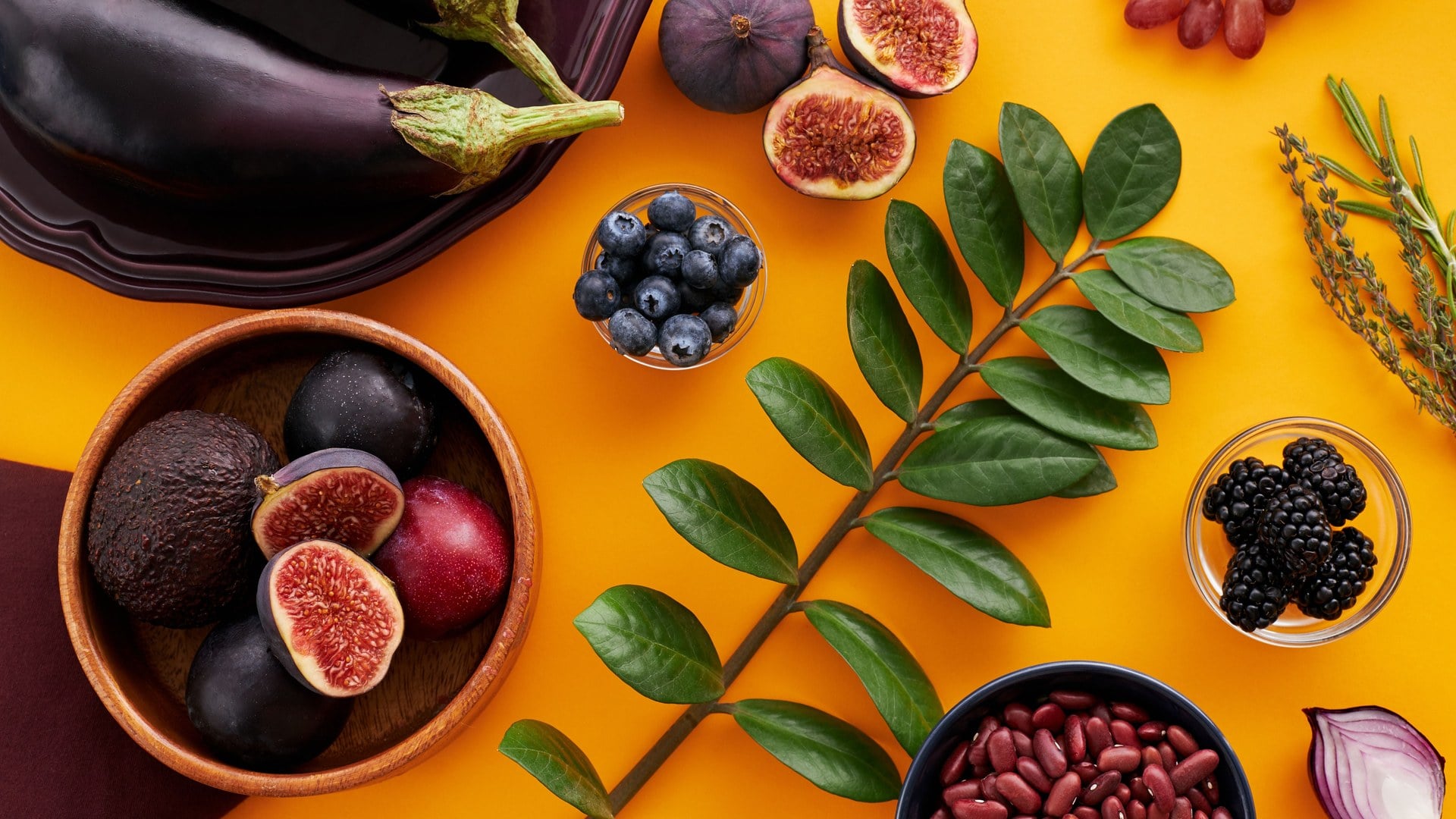
While standard cultivated blueberries are fantastic, their wild cousins steal the show. Wild blueberries are smaller, deeper in color, and pack up to twice the antioxidant capacity of regular blueberries.
Antioxidants are crucial because they combat oxidative stress—a process caused by unstable molecules called free radicals that can damage your cells and accelerate aging. The primary antioxidant in blueberries, a flavonoid called anthocyanin, has been linked to improved brain health, enhanced memory, and better cardiovascular function.
How to use them: Keep a bag of frozen wild blueberries in your freezer year-round. Toss them into your morning oatmeal, blend them into a post-workout smoothie, or fold them into a batch of antioxidant-rich whole-grain pancakes.
2. Leafy Greens: Kale, Spinach, and Swiss Chard
Your mother was right: eat your greens! Dark leafy greens are the undisputed royalty of the vegetable kingdom. Packed with vitamins A, C, and K, as well as folate, zinc, iron, magnesium, and calcium, they offer a sweeping array of health benefits.
Vitamin K, in particular, plays a vital role in bone health and blood clotting, while the lutein and zeaxanthin found in spinach and kale protect your eyes from age-related macular degeneration.
How to use them: Bored of salads? Massage raw kale with a little olive oil and lemon juice to tenderize the leaves. Toss a handful of baby spinach into your morning eggs, or blend greens into fruit smoothies—you won't even taste them!
3. Fatty Fish: Salmon, Sardines, and Mackerel
While plant foods dominate much of the superfood conversation, we cannot overlook the ocean's bounty. Fatty fish are rich in omega-3 fatty acids, which are essential fats that your body cannot produce on its own.
Omega-3s are renowned for their anti-inflammatory properties. They support heart health by lowering triglycerides, reduce joint stiffness, and are essential for optimal brain function and mood regulation. Furthermore, they are one of the few natural dietary sources of vitamin D.
How to use them: Aim to incorporate fish into your weekly meal plan at least twice. Bake a salmon fillet with a lemon-herb crust, or elevate your avocado toast with a quick topping of wild-caught canned sardines.
4. Chia Seeds: Tiny Seeds, Mighty Impact
Don't let their diminutive size fool you. Chia seeds are nutritional powerhouses loaded with fiber, protein, omega-3 fatty acids, and various micronutrients.
Just two tablespoons of chia seeds provide roughly 10 grams of dietary fiber—about a third of your recommended daily intake. This high fiber content promotes healthy digestion, keeps you feeling full longer, and helps stabilize blood sugar levels. When mixed with liquid, chia seeds form a gel-like consistency, making them the base for delicious puddings.
How to use them: Sprinkle them over yogurt, stir them into soups as a thickener, or make an overnight chia pudding with almond milk, vanilla extract, and a touch of maple syrup.
5. Fermented Foods: Kefir, Kimchi, and Kombucha
Gut health is the cornerstone of overall wellness, influencing everything from your digestion to your immune system and even your mental health. Enter fermented foods.
Fermentation is a natural preservation process that promotes the growth of beneficial bacteria, or probiotics. These live microorganisms populate your gut microbiome, aiding in nutrient absorption, crowding out harmful bacteria, and producing short-chain fatty acids that reduce inflammation.
How to use them: Add a side of tangy kimchi or sauerkraut to your grain bowls and sandwiches. Sip on low-sugar kombucha as an afternoon pick-me-up, or enjoy a glass of probiotic-rich kefir.
Making Superfoods Work for You
The secret to sustainable healthy eating isn't overhauling your entire pantry overnight or spending a fortune on exotic, trendy powders. True wellness is built on consistency. Start by picking one or two of these superfoods and weaving them into your current routine.
Remember, the most powerful diet is a diverse one. By filling your plate with a colorful array of whole foods, you are not just eating—you are investing in a healthier, more vibrant you. Here’s to your health!
❓ Frequently Asked Questions
Is "superfood" a scientifically regulated term?
No, nutritionists and dietitians clarify that superfood is a colloquialism rather than an official scientific term, used to describe exceptionally nutrient-dense plant-based foods, fish, and dairy.
Why are wild blueberries better than regular blueberries?
Wild blueberries are smaller, deeper in colour, and pack up to twice the antioxidant capacity of standard cultivated blueberries, helping to combat oxidative stress.
Can superfoods undo the effects of a poor diet?
Superfoods are not magic bullets that can reverse the damage of a poor diet; rather, they act as nutritional amplifiers when integrated into a balanced, whole-food eating plan.
Found this useful? Someone you know needs it too.
Medical disclaimer: SomaDigest content is for general information only and is not a substitute for professional medical advice. Always consult your GP or a qualified healthcare professional. Read more