Why Is Your Testosterone Dropping And How Can You Fix It?

Feeling sluggish and struggling to build muscle? Discover the science-backed secrets to naturally restoring your vitality.
The Quest for Peak Vitality
In the modern world, the definition of men's health has evolved far beyond simply hitting the gym a few times a week. Today, achieving true vitality requires a holistic approach that bridges the gap between physical fitness, hormonal balance, nutritional intelligence, and self-care. At the center of this biological symphony is testosterone—the master hormone that dictates everything from your muscle mass and fat distribution to your energy levels, mood, and cognitive sharpness.
Unfortunately, modern lifestyles—marked by chronic stress, poor sleep, sedentary routines, and ultra-processed diets—have led to a steady, generational decline in baseline testosterone levels. If you have been feeling sluggish, struggling to shed stubborn belly fat, or noticing a plateau in your strength gains, your hormones might be waving a red flag.
Fortunately, you don't need a prescription or extreme measures to turn the tide. By implementing science-backed lifestyle changes, you can naturally optimize your testosterone, transform your physique, and step into the best shape of your life.
1. Resistance Training: The Catalyst for Muscle and Hormonal Health
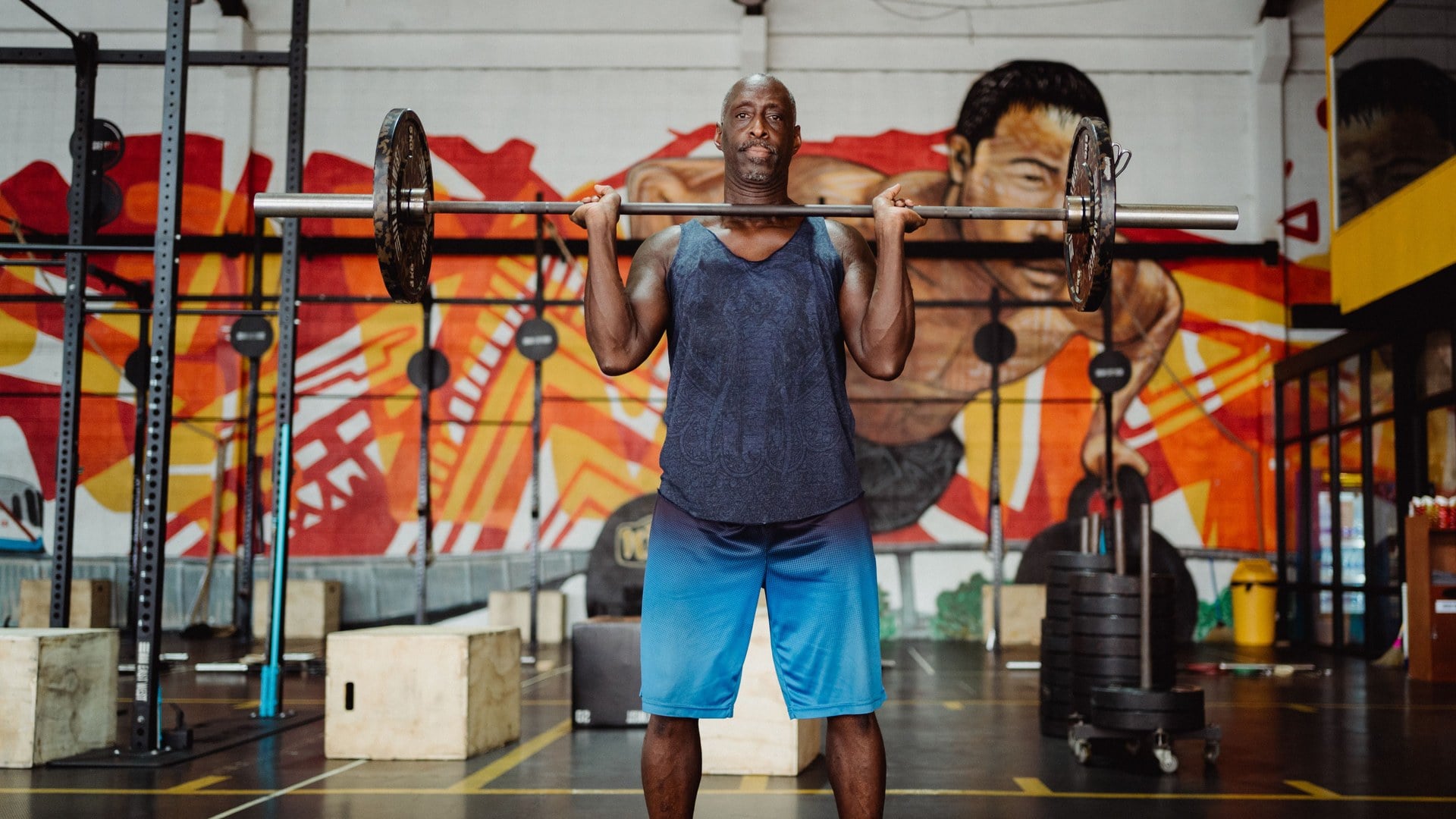
When it comes to fitness, not all workouts are created equal. While endless hours of steady-state cardio have their place for cardiovascular health, they do little to stimulate anabolic hormones. If your goal is to boost testosterone and build a resilient, athletic physique, heavy resistance training is your greatest ally.
Compound movements—exercises that recruit multiple joints and large muscle groups simultaneously—are the holy grail of hormone-boosting workouts. Focus your routine around the foundational pillars of strength:
- Squats: The ultimate builder for lower-body power and core stability.
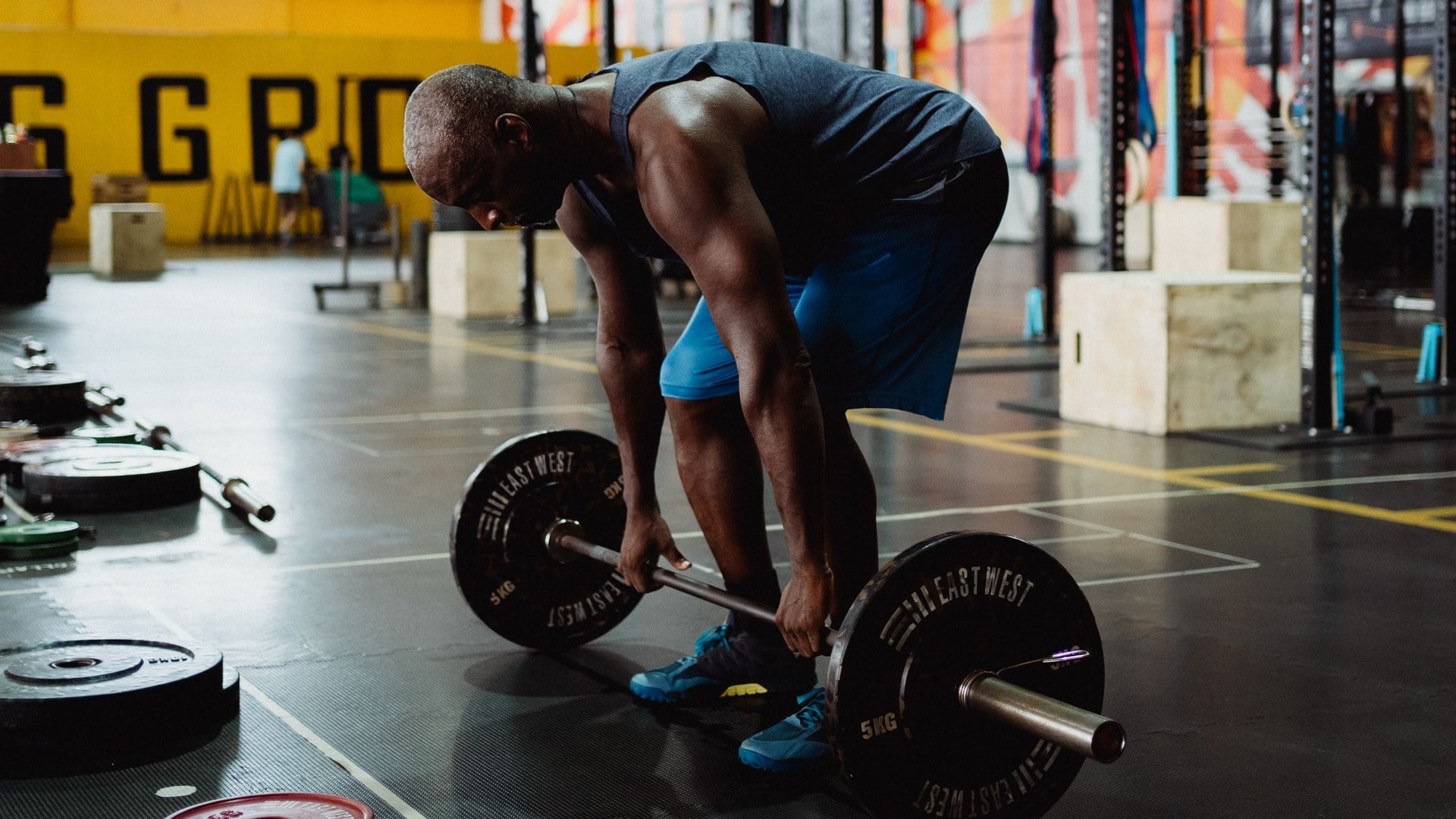
- Deadlifts: A full-body powerhouse that engages the posterior chain from your calves to your traps.
- Bench Press & Overhead Press: Essential pushing movements for upper-body mass and pressing power.
- Pull-ups & Rows: Crucial for building a wide, strong back and protecting shoulder health.
The Protocol: Aim for 3 to 4 resistance training sessions per week, focusing on progressive overload—gradually increasing the weight or reps over time. Keep sessions under 75 minutes; excessively long workouts spike cortisol, the stress hormone, which acts as a direct antagonist to testosterone.
2. Nutrition: Fueling the Hormonal Engine
Your body cannot manufacture hormones out of thin air; it requires the right building blocks. For years, the fitness industry peddled low-fat diets that ultimately starved men of the very nutrients they needed to thrive. Testosterone is synthesized directly from cholesterol, meaning dietary fat is not your enemy—it is your fuel.
The Macronutrient Breakdown for Men:
- Healthy Fats: Make up 30% to 35% of your daily caloric intake with monounsaturated and saturated fats. Incorporate whole eggs, grass-fed butter, avocados, extra virgin olive oil, wild-caught salmon, and nuts like macadamias and almonds.
- Quality Proteins: Essential for muscle repair and recovery. Prioritize lean meats, poultry, fish, and plant-based alternatives, aiming for roughly 0.8 to 1 gram of protein per pound of target body weight.
- Smart Carbohydrates: Don't fear carbs. They support thyroid function and fuel high-intensity training. Focus on complex, nutrient-dense sources such as sweet potatoes, quinoa, oats, rice, and a rainbow of fibrous vegetables.
Micronutrients That Matter:
Beyond macros, certain vitamins and minerals play an outsized role in male endocrine health:
- Vitamin D3: Often classified as a hormone rather than a vitamin, adequate D3 levels are strongly correlated with higher free testosterone. Get 15-20 minutes of midday sun exposure or supplement accordingly.
- Zinc: A vital mineral for testosterone production. Oysters, red meat, pumpkin seeds, and shellfish are rich dietary sources.
- Magnesium: Helps regulate sleep quality and free testosterone. Incorporate leafy greens, dark chocolate, and pumpkin seeds into your routine.
3. Sleep: The Underrated Anabolic State
You can lift the heaviest weights and eat the cleanest diet, but if you are sleeping five hours a night, your progress will grind to a halt. The vast majority of your daily testosterone is released during rapid eye movement (REM) and deep sleep.
Chronic sleep deprivation plummets testosterone levels by up to 15% in just one week, while simultaneously spiking cortisol and ghrelin (the hunger hormone), making you crave sugar and store fat.
Optimize Your Sleep Hygiene:
- Maintain a consistent sleep and wake schedule, even on weekends.
- Keep your bedroom cool (around 65°F or 18°C) and completely dark.
- Shut off screens and blue-light sources at least 60 minutes before hitting the pillow.
- Avoid caffeine past 2:00 PM and limit alcohol, which severely disrupts deep sleep architecture.
4. Stress Management and Lifestyle Factors
In the jungle, stress is a temporary sprint; in modern life, it is a permanent marathon. Constant psychological stress keeps your body flooded with cortisol. Because testosterone and cortisol share the same biochemical precursor (pregnenolone), your body will chronically prioritize survival (cortisol) over reproduction and vitality (testosterone)—a phenomenon known as the "pregnenolone steal."
Incorporate stress-mitigation techniques into your weekly routine:
- Engage in active recovery, such as mobility work, yoga, or long walks in nature.
- Practice breathwork or mindfulness meditation to down-regulate the nervous system.
- Minimize exposure to endocrine-disrupting chemicals (EDCs) found in plastics, synthetic fragrances, and certain personal care products by opting for clean, natural grooming alternatives.
The Bottom Line
Optimizing your fitness, hormones, and overall vitality is not about chasing a quick fix or adopting an unsustainable lifestyle. It is a return to the fundamentals: lifting heavy things, eating nutrient-dense whole foods, prioritizing restorative sleep, and managing stress effectively. Implement these changes consistently, and you will unlock a higher standard of energy, strength, and confidence that lasts a lifetime.
❓ Frequently Asked Questions
Why are modern testosterone levels declining?
Modern lifestyles marked by chronic stress, poor sleep, sedentary routines, and ultra-processed diets are driving a generational decline in baseline testosterone.
Which workouts are best for boosting testosterone?
Heavy resistance training with compound movements like squats, deadlifts, and bench presses acts as a powerful catalyst for anabolic hormones.
How long should hormone-boosting workouts last?
Keep sessions under 75 minutes to avoid spiking cortisol, the stress hormone that acts as a direct antagonist to testosterone.
Found this useful? Someone you know needs it too.
Medical disclaimer: SomaDigest content is for general information only and is not a substitute for professional medical advice. Always consult your GP or a qualified healthcare professional. Read more