Why Are You Still Stuck in a Fitness Plateau?
Stuck in a fitness plateau and seeing zero gains? Discover how progressive overload and smart training splits can finally transform your workouts.
Interactive tool
What Is Your Zone 2 Heart Rate?
Zone 2 is the easy, conversational pace linked to better endurance and metabolic health. Find your personal range in seconds.
Level Up Your Fitness: The Ultimate Guide to Progressive Overload and Training Smarter
We have all been there. You lace up your sneakers, crush your workout, eat your greens, and step on the scale or check the mirror week after week—only to realize nothing is changing. Your body has officially adapted to your routine. Welcome to the dreaded fitness plateau.
At SomaDigest, we believe that fitness should be a dynamic journey, not a stagnant chore. If you are ready to break through your limits and finally see the muscle definition, strength gains, and cardiovascular endurance you have been working toward, you need a smarter approach to your training plan.
Enter the golden rule of fitness: progressive overload.
---
The Secret Sauce: What Is Progressive Overload?
If you lift the same weight, for the same number of reps, week in and week out, your body has zero reason to change. Why would it? It can already handle the stress you are placing upon it.
To force your muscles to adapt and grow stronger, you must gradually increase the demands placed on your musculoskeletal and nervous systems. This concept is known as progressive overload, and it is the absolute cornerstone of any effective workout routine.
How to Apply Progressive Overload
You do not need to add 45 pounds to your squat every single week. In fact, that is a fast track to injury. Instead, focus on these micro-progressions:
- Load (Weight): Add a tiny amount of weight (even 2.5 to 5 pounds) to the bar or dumbbell once you can complete your target reps with good form.
- Repetitions: If you can bench press 135 pounds for 8 reps today, aim for 9 reps next week before increasing the weight.
- Sets: Increase your total volume by adding an extra working set to your favorite exercises.
- Time Under Tension: Slow down your eccentric (lowering) phase. A 3-second descent makes a light weight feel remarkably heavy.
- Rest Periods: Decrease your rest time between sets to increase cardiovascular demand and metabolic stress.
---
Designing Your Weekly Training Split
Random workouts yield random results. To build a balanced, resilient physique, you need a structured training split that allows for both maximum effort and adequate recovery.
1. The Push/Pull/Legs (PPL) Routine
Widely considered the gold standard for both beginners and advanced lifters, the PPL split divides your body into three distinct functional movement patterns over three to six days a week.
- Push Day: Chest, shoulders, and triceps (Bench press, overhead press, lateral raises).
- Pull Day: Back, rear delts, and biceps (Pull-ups, barbell rows, bicep curls).
- Leg Day: Quads, hamstrings, glutes, and calves (Squats, Romanian deadlifts, lunges).
2. Upper/Lower Split
Ideal for those who want to work out four days a week. You alternate between upper-body and lower-body sessions, giving you twice-a-week frequency for every major muscle group.
3. Full-Body Conditioning
Pressed for time? Training your entire body three days a week with compound movements (deadlifts, push-ups, squats, rows) is an incredibly efficient way to build strength and burn fat.
---
Exercise Guides: Mastering the Big Three
If you want the biggest bang for your buck, focus on compound exercises that recruit multiple joints and muscle groups simultaneously.
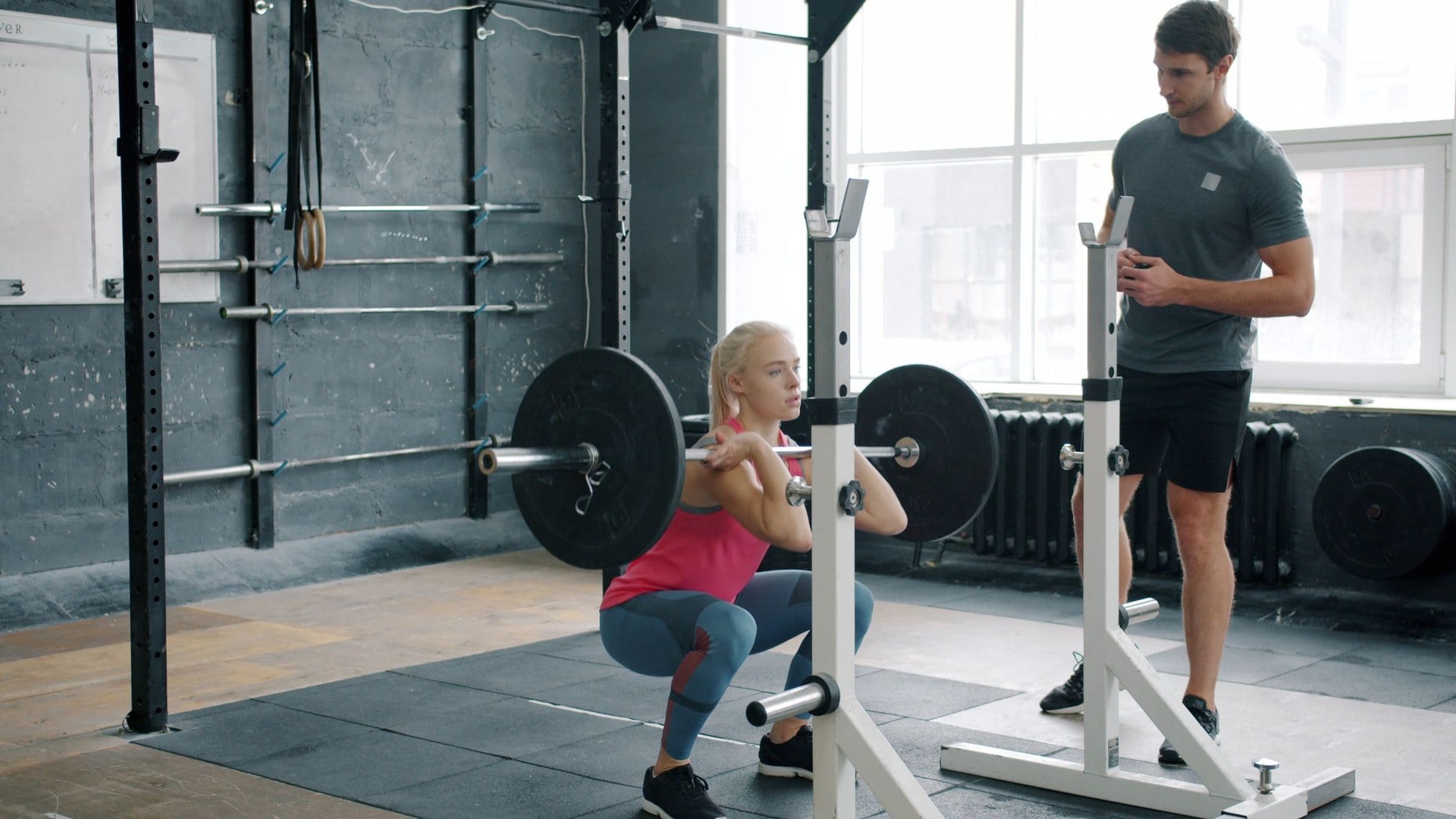
The Barbell Back Squat
- The Target: Quads, glutes, core, and lower back.
- Form Cue: Keep your chest proud, brace your core as if someone is about to punch you, and push your knees out in the same direction as your toes. Imagine sitting back into a chair.
The Conventional Deadlift
- The Target: Entire posterior chain (hamstrings, glutes, erector spinae, lats).
- Form Cue: Stand with your mid-foot under the bar. Hinge at the hips, grab the bar just outside your legs, flatten your back, and drive the floor away with your feet. Lock your hips out at the top without hyperextending your lower back.
The Overhead Press
- The Target: Shoulders, triceps, and upper chest.
- Form Cue: Squeeze your glutes and brace your abs to prevent your lower back from arching. Press the barbell straight up, moving your head back slightly to let the bar clear your chin, then punch through at the top.
---
The Forgotten Pillar: Recovery
Here is a hard truth: You do not get stronger in the gym; you get stronger when you recover.
When you lift weights or do intense cardio, you are actually creating microscopic tears in your muscle fibers. It is during periods of rest and sleep that your body repairs these fibers, making them bigger and stronger than before.
- Prioritize Sleep: Aim for 7 to 9 hours of quality sleep nightly. This is when human growth hormone (HGH) peaks.
- Fuel Wisely: Consume adequate protein (roughly 0.8 to 1 gram per pound of body weight) to supply the building blocks for muscle repair.
- Active Recovery: Incorporate light walking, mobility work, or yoga on your rest days to promote blood flow and reduce stiffness.
---
Your Action Plan for This Week
Stop spinning your wheels. Pick a structured training split, track your workouts in a journal or app, and focus on beating your previous numbers by just one rep or one small increment. Combine that with proper nutrition and sleep, and watch your fitness plateau crumble. Your best physique is just around the corner!
❓ Frequently Asked Questions
What is progressive overload?
Progressive overload is the gradual increase of stress placed on your musculoskeletal and nervous systems during exercise. It is the essential mechanism required to force muscles to adapt and grow stronger over time.
Why am I not seeing muscle gains in the gym?
If you are lifting the same weight for the same number of reps week after week, your body has adapted and has no reason to change. Introducing micro-progressions like increased load, reps, or time under tension will break this plateau.
How often should I increase my workout weight?
You do not need to add heavy weight every single week. Instead, focus on completing your target reps with good form before adding a tiny amount of weight, such as 2.5 to 5 pounds.
Found this useful? Someone you know needs it too.
Medical disclaimer: SomaDigest content is for general information only and is not a substitute for professional medical advice. Always consult your GP or a qualified healthcare professional. Read more