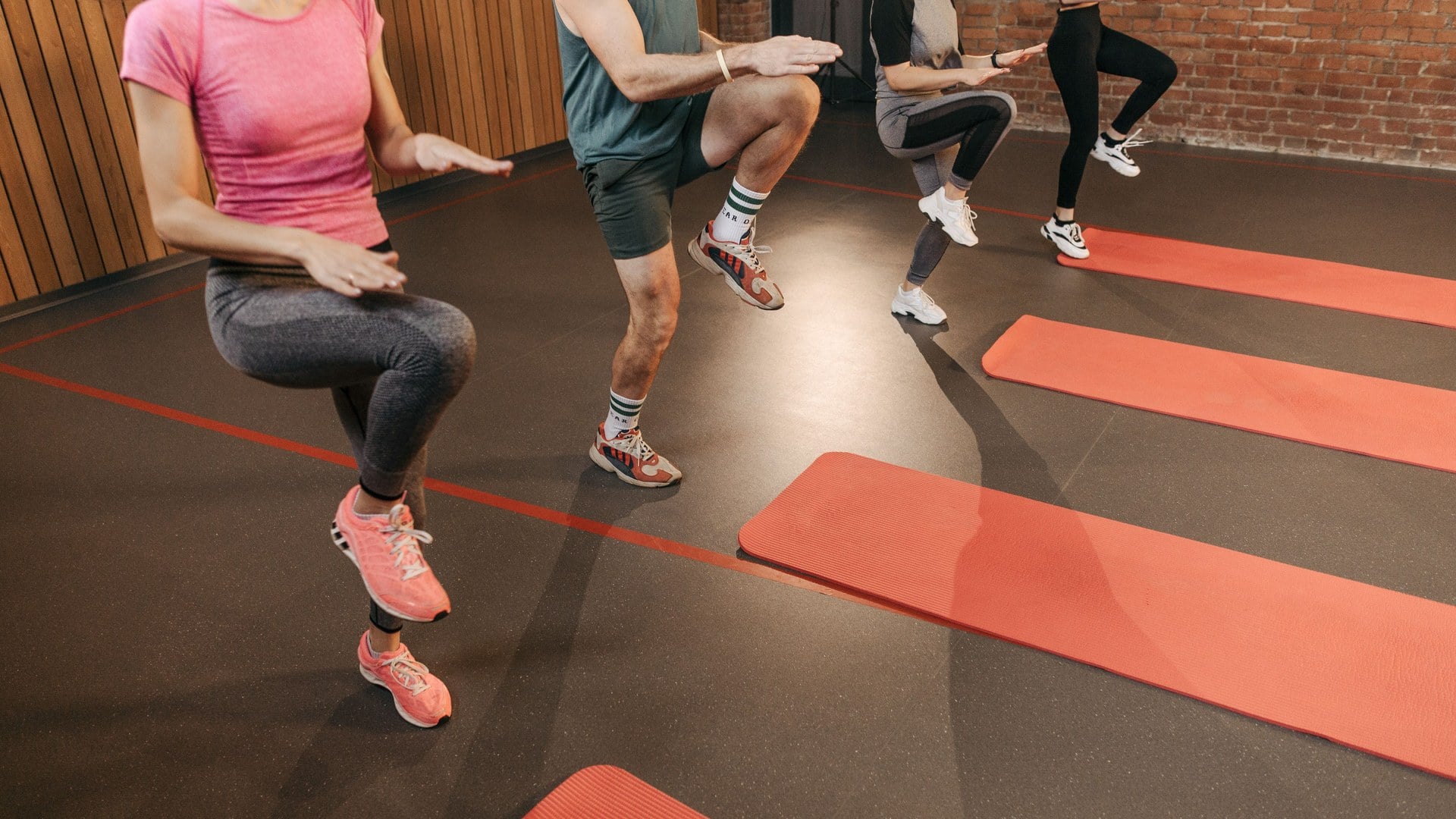
What Is Zone 2 Training and Why Is It Your Longevity Secret?

Are you wasting hours on high-intensity workouts while ignoring the single best exercise intensity for a longer, healthier life? Discover the surprising science of low-intensity cardio.
⚡ TL;DR — the 60-second read
- •Zone 2 training is performed at 60-70 percent of your max heart rate, where you can comfortably hold a conversation.
- •This low-intensity cardio supercharges your cellular health by building and repairing mitochondria.
- •Consistent Zone 2 workouts improve metabolic flexibility, protecting against insulin resistance and fatigue.
- •Aim for 150 to 300 minutes per week using low-impact activities like brisk walking, cycling, or swimming.
Interactive tool
What Is Your Zone 2 Heart Rate?
Zone 2 is the easy, conversational pace linked to better endurance and metabolic health. Find your personal range in seconds.
Have you ever wondered why elite endurance athletes spend upwards of 80 percent of their training time moving at a pace where they can easily chat? In our relentless pursuit of fitness through high-intensity suffering and dripping sweat, we often overlook the gentle power of Zone 2 training. Research published in prominent sports science journals suggests that building your aerobic base at a conversational pace is the ultimate cheat code for metabolic health and cellular resilience.
At SomaDigest, we believe in the science of the body, simplified. Let's dive into why slowing down is the fastest way to upgrade your long-term health span.
🏃 What Is Zone 2 Training and How Does It Work?
Zone 2 training is a form of cardiovascular exercise performed at a low, steady intensity, typically sitting at about 60 to 70 percent of your maximum heart rate. At this pace, you should be able to maintain a full conversation without gasping for breath, though speaking in complete sentences still takes a conscious effort. Physiologically, this is the sweet spot where your body predominantly relies on fat oxidation for fuel rather than carbohydrates.
When you stay in Zone 2, your body experiences very little mechanical and metabolic stress. This allows you to log significant weekly volume without frying your nervous system or requiring days of recovery. It is the steady, unglamorous work that builds the foundation for everything else you do in the gym and in daily life.
🔬 Why Is Zone 2 Training Essential for Longevity?
The benefits of Zone 2 training extend far beyond a lean physique, targeting the very machinery of your cells: the mitochondria. Mitochondria are the tiny power plants inside your cells that convert the food you eat into usable energy. As we age, mitochondrial function naturally declines, which is a key driver of metabolic dysfunction, fatigue, and age-related chronic disease.
Clinical studies indicate that consistent low-intensity aerobic exercise stimulates mitochondrial biogenesis—the creation of brand new, highly efficient mitochondria. Furthermore, it improves your metabolic flexibility, meaning your body becomes exceptionally skilled at switching between burning fat and carbohydrates. This protects against insulin resistance, type 2 diabetes, and cardiovascular decline.
🚴 How to Calculate Your Zone 2 Heart Rate
Finding your personal Zone 2 training zone requires a bit more nuance than simply guessing your effort level. The most accurate clinical method involves laboratory lactate testing, where trainers measure your blood lactate levels to find the exact threshold where lactate begins to accumulate. However, you can estimate your target heart rate at home with reliable proxy methods.
One common approach is the maximum heart rate formula, subtracting your age from 220, and then calculating 65 to 75 percent of that figure. Alternatively, use the 'talk test' as your guide: if you can breathe exclusively through your nose while power walking, cycling, or using an elliptical, you are almost certainly in the right zone.
📅 What Does a Weekly Zone 2 Workout Routine Look Like?
Integrating Zone 2 training into your schedule does not require quitting your current fitness routine or spending your entire weekend on a treadmill. Most longevity experts recommend aiming for a minimum of 150 to 300 minutes of Zone 2 work per week. You can easily break this down into three to four sessions lasting 45 to 60 minutes each.
Choose low-impact activities that allow you to sustain a steady heart rate without joint strain. Brute-force running can sometimes spike your heart rate too high for beginners, making brisk incline walking, indoor cycling, rowing, or swimming superior choices. Consistency beats intensity here; treat these sessions as non-negotiable appointments for your long-term brain and heart health.
✅ Key Takeaways
- Zone 2 training is performed at 60-70 percent of your max heart rate, where you can comfortably hold a conversation.
- This low-intensity cardio supercharges your cellular health by building and repairing mitochondria.
- Consistent Zone 2 workouts improve metabolic flexibility, protecting against insulin resistance and fatigue.
- Aim for 150 to 300 minutes per week using low-impact activities like brisk walking, cycling, or swimming.
❓ Frequently Asked Questions
Can I do Zone 2 training every day?
Because Zone 2 places minimal stress on your central nervous system, many people can perform it daily. However, listen to your body and schedule at least one or two complete rest days per week to support overall recovery.
Is walking fast enough for Zone 2 training?
For many people, brisk walking—especially on an incline or treadmill—is the ideal Zone 2 activity. If your heart rate stays within your target conversational zone, walking is entirely sufficient.
How long before I see results from Zone 2 workouts?
Cardiovascular adaptations take time, but most individuals notice improvements in resting heart rate and perceived exertion within 6 to 12 weeks of consistent training.
Ready to trade burnout for sustainable health? Lace up your trainers, slow down your pace, and let science guide your next workout.
This article is for information only and is not a substitute for professional medical advice.
Found this useful? Someone you know needs it too.
Medical disclaimer: SomaDigest content is for general information only and is not a substitute for professional medical advice. Always consult your GP or a qualified healthcare professional. Read more